
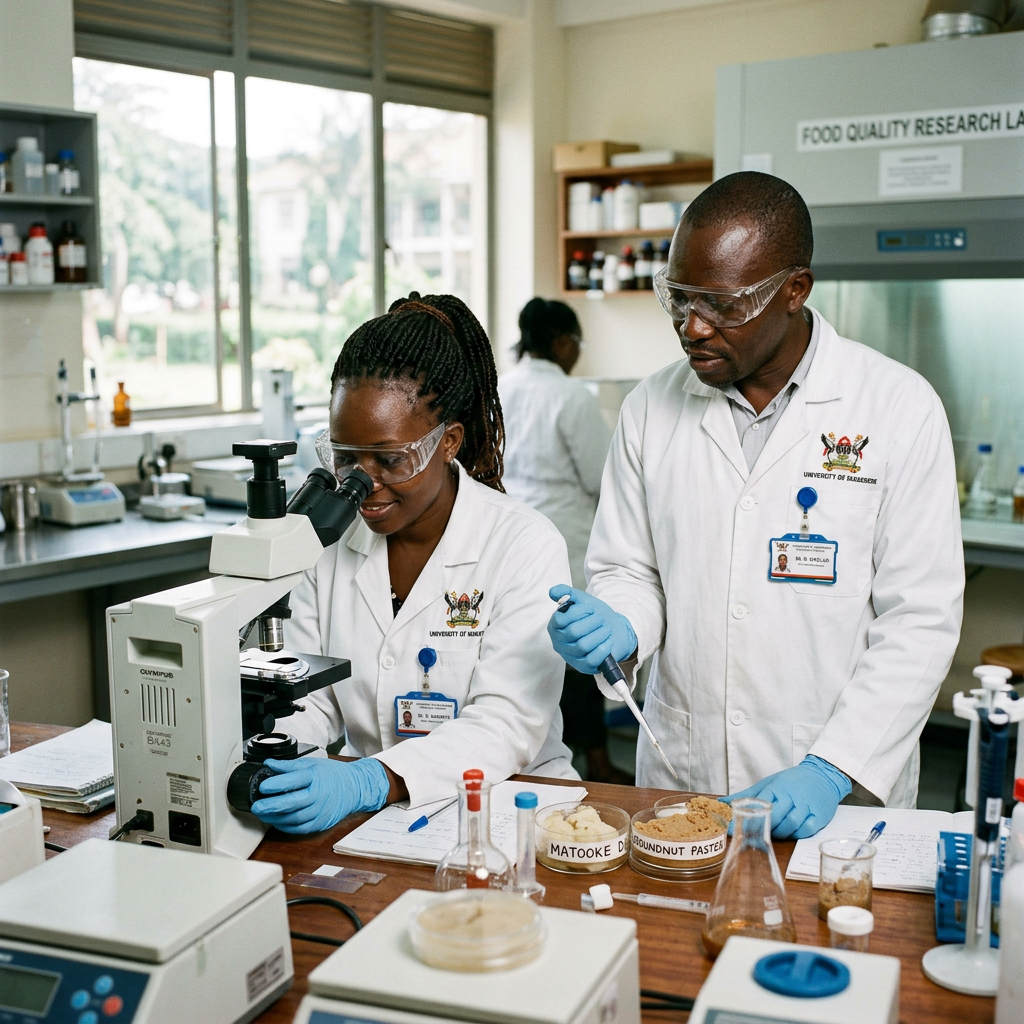
Research Theme 01
01
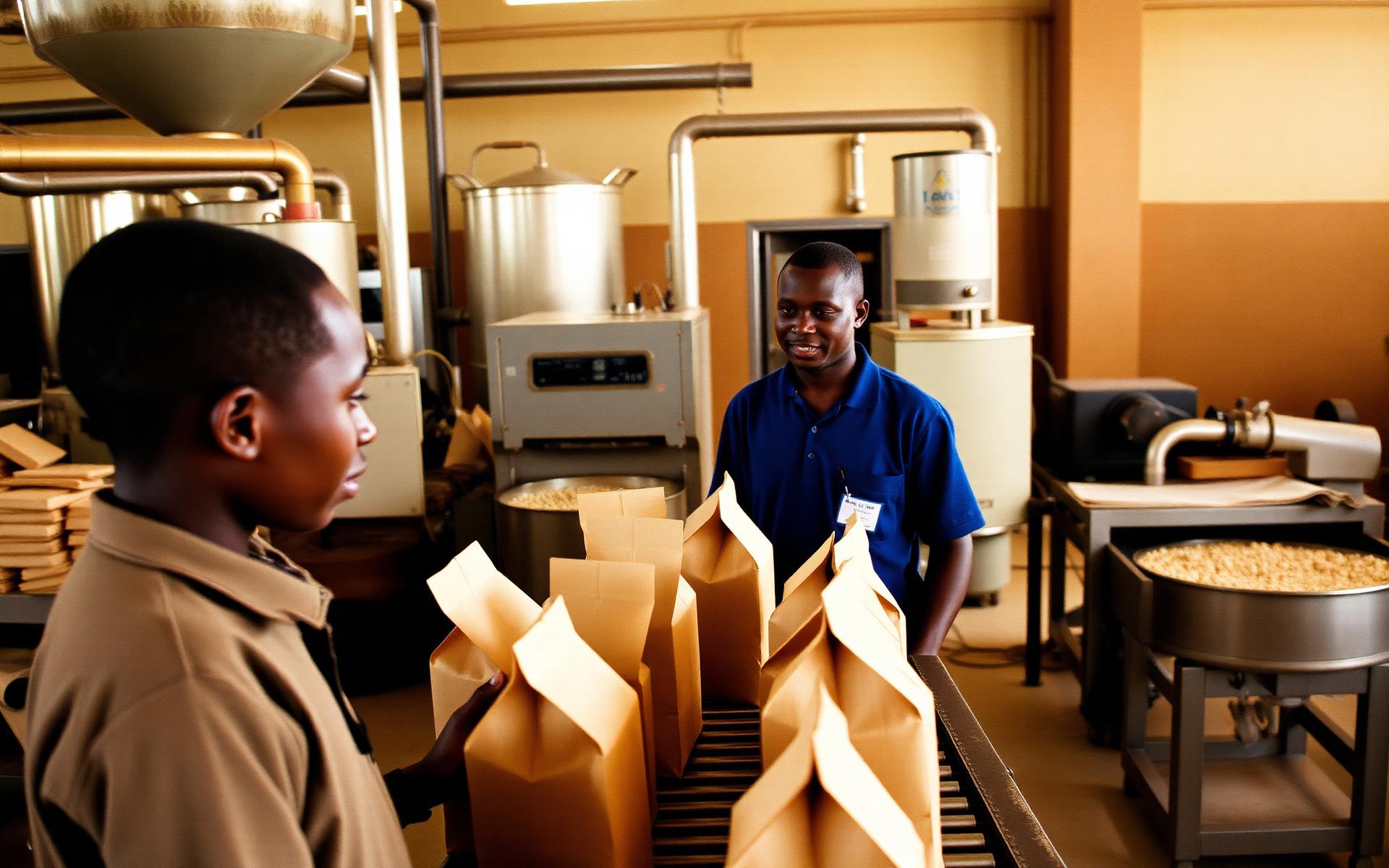
Food Processing & Value Addition
- Shelf-stable and convenience foods
- Traditional and emerging processing technologies
- Reduction of postharvest losses
- Product formulation for SMEs and agro-processors
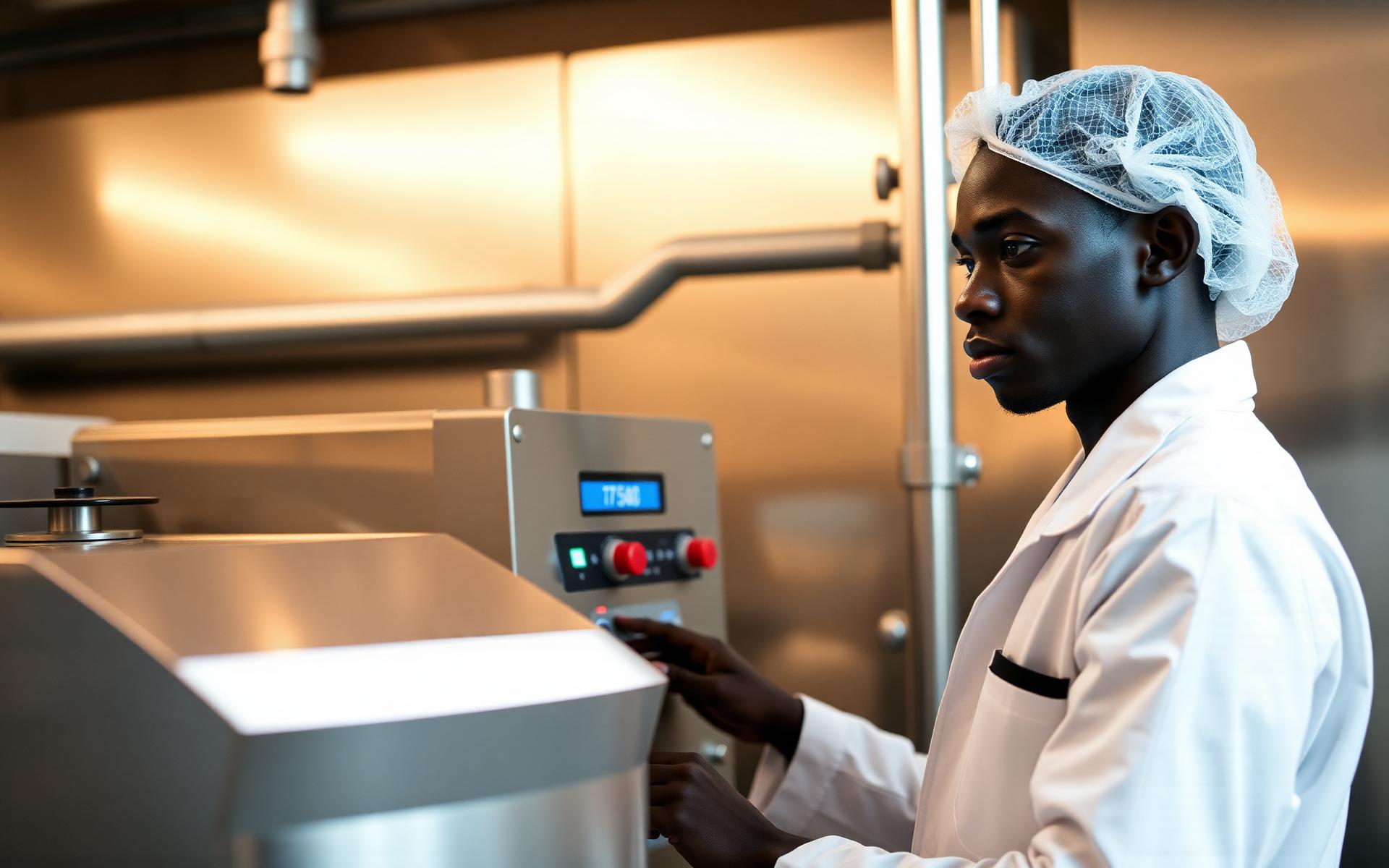
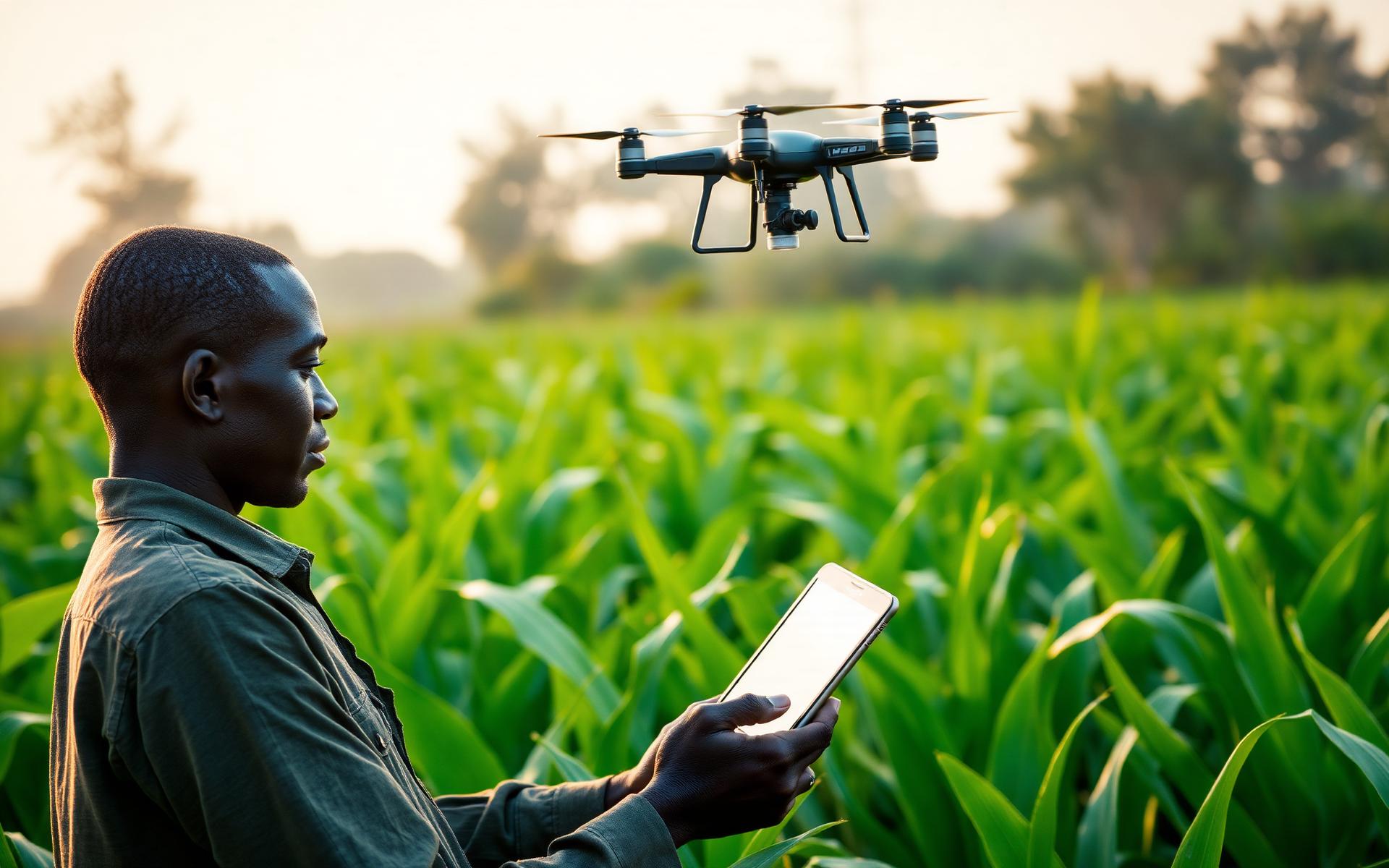
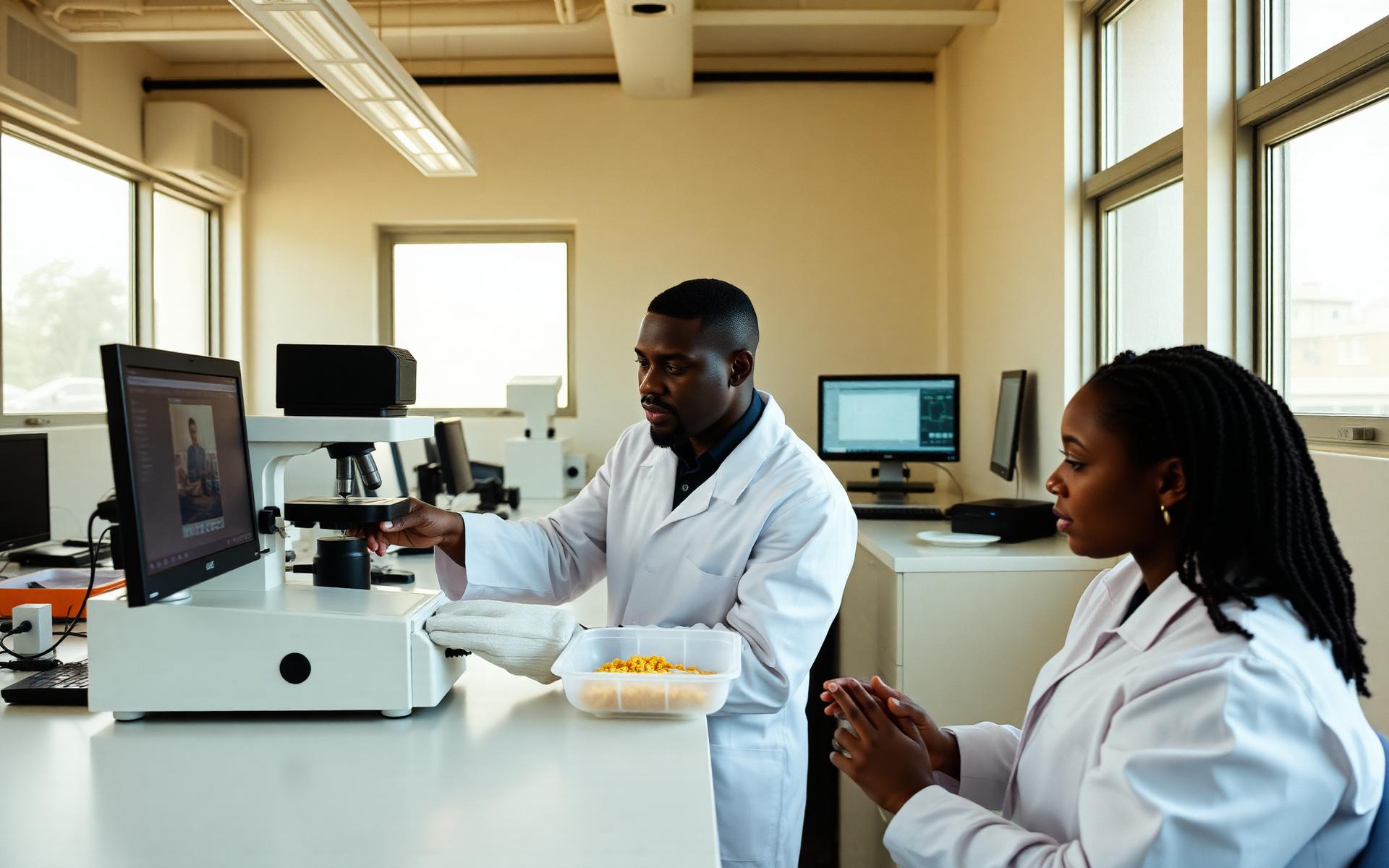
Where food science, technology and nutrition meet the fields, factories and communities that feed the continent.
An academic and research School within Makerere University's College of Agricultural and Environmental Sciences — contributing to national priorities in agro-industrialization, nutrition, public health and food security.
Explore undergraduate and postgraduate programmes.
Access learning resources, laboratories, internships and student support.
Discover research themes, publications and collaboration opportunities.
Work with the School on product development, food safety and value addition.
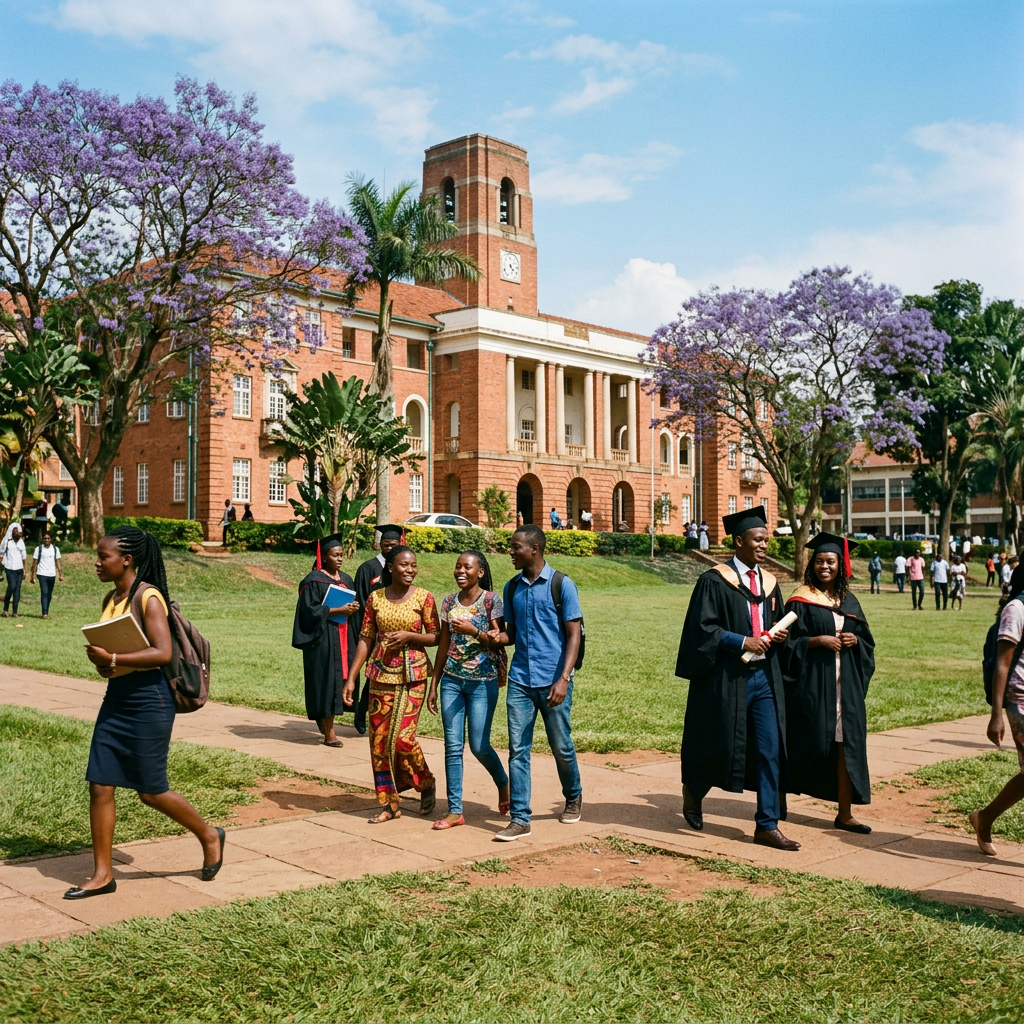
The School of Food Technology, Nutrition & Bio-Engineering is a leading academic and research hub at Makerere University. The School trains professionals in food science, nutrition, processing technology, food safety, quality assurance, and product innovation.
Its work contributes directly to national priorities in agro-industrialization, nutrition, public health, enterprise development, and food security.
To catalyze development and vitality of the food sub-sector by providing quality teaching, carrying out innovative and demand-driven research, and offering services that respond to national and global needs.
To be the leading institution for academic excellence and innovations in food and nutritional sciences in Africa.
All programmes emphasize competency-based learning, problem-solving, practical skills, and alignment with national and regional development needs.
Foundational and applied training in food chemistry, microbiology, engineering and processing.
Comprehensive preparation for clinical, community and public-health nutrition practice.
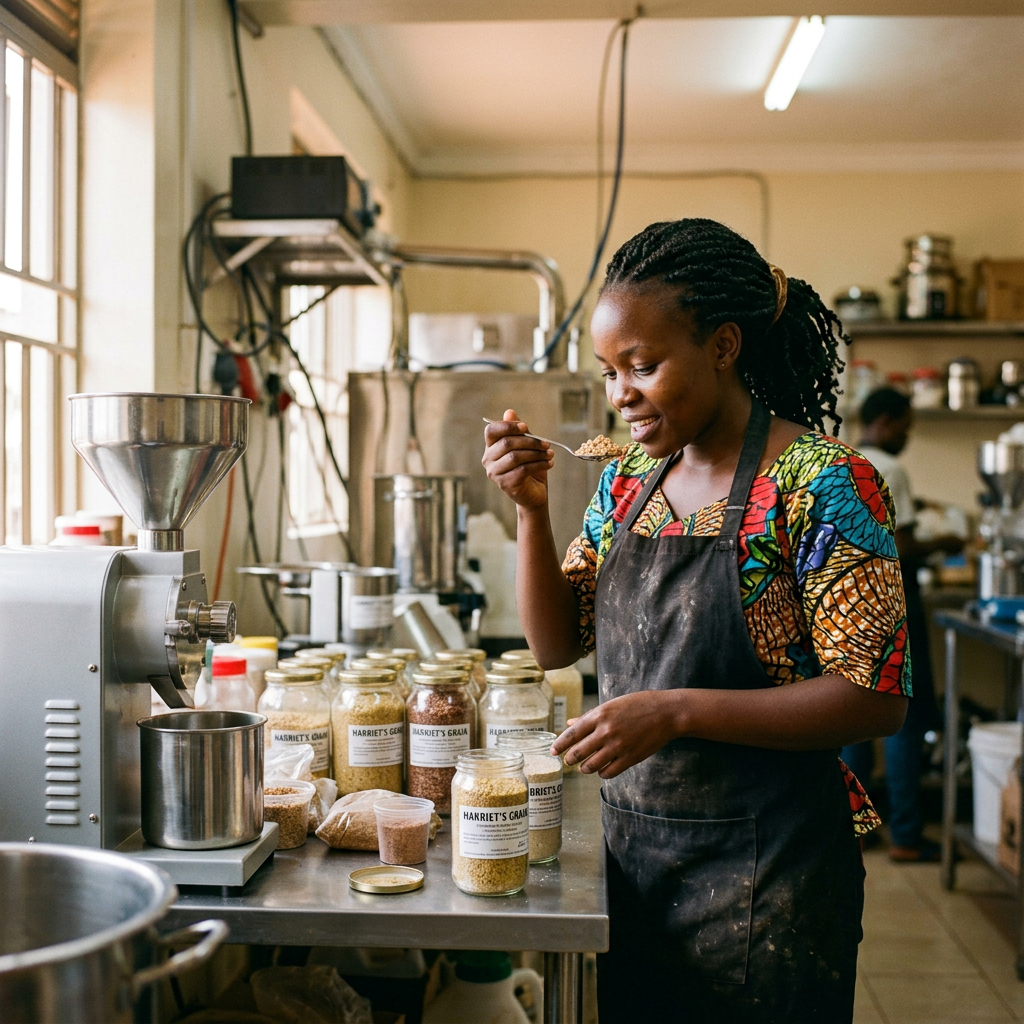
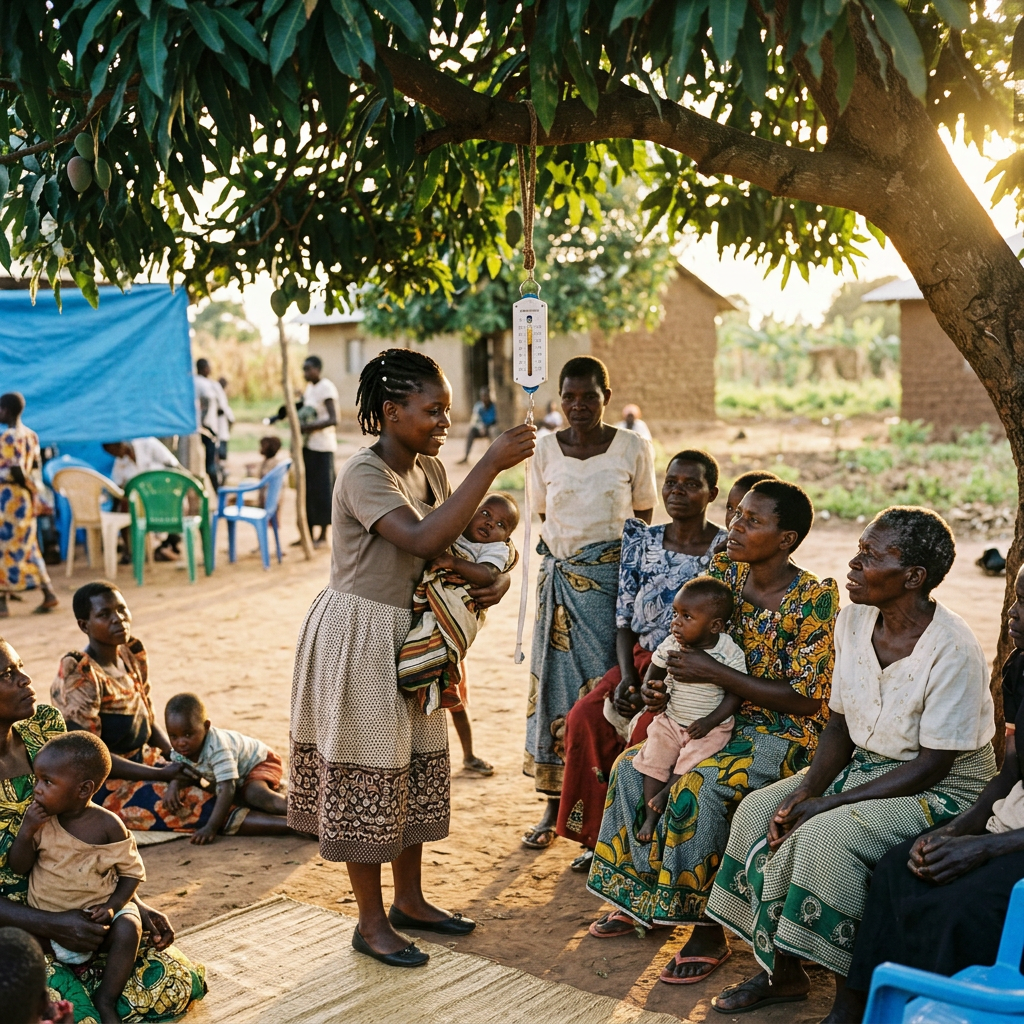
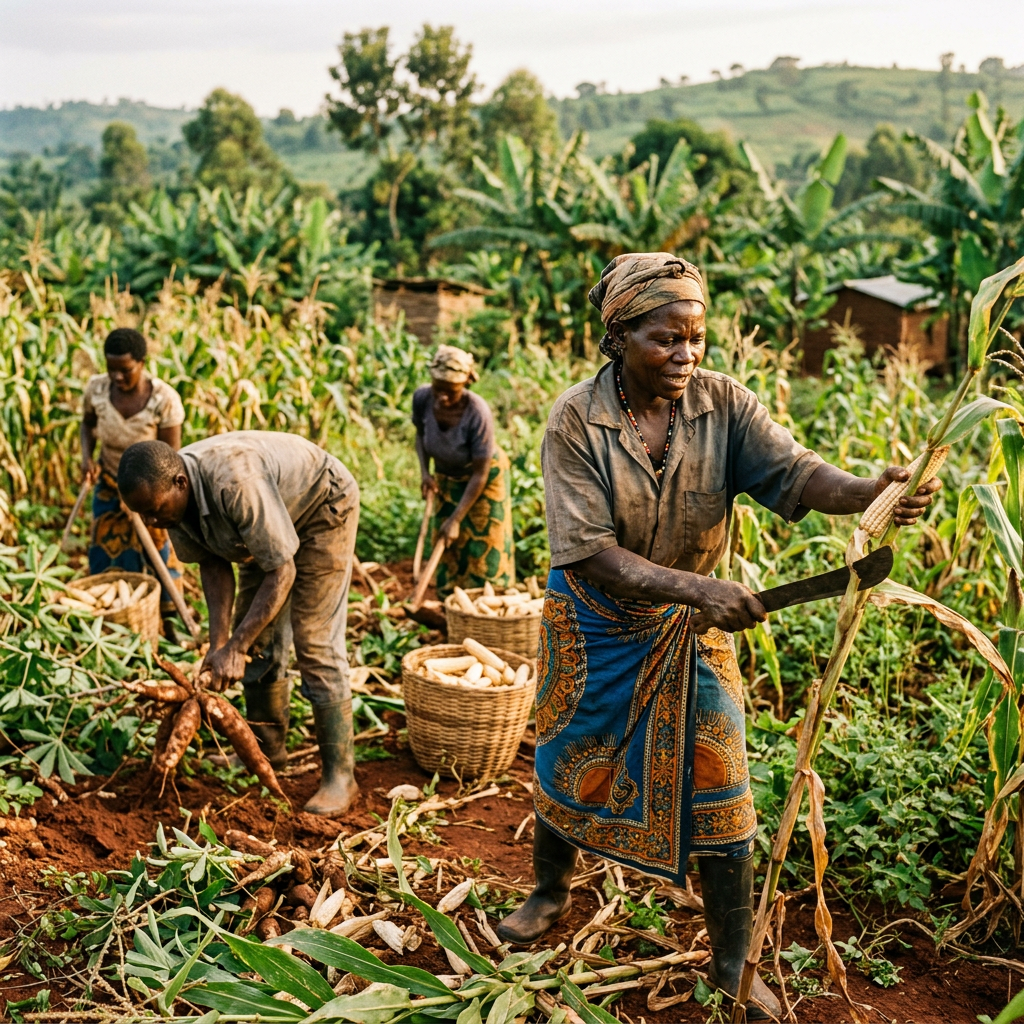
Our work moves along a continuous pathway — from raw materials in the field, through the laboratory and pilot plant, into products and finally into the communities and industries that depend on them.
Understanding local food systems and raw materials.
Developing safe, nutritious, value-added food products.
Applying food safety, quality assurance, nutrition assessment and lab methods.
Supporting product development, incubation and entrepreneurship.
Improving public health, food security, industry readiness and community wellbeing.
Students are prepared for real-world challenges through practical learning, laboratory experience, pilot-scale processing, industry engagement, and innovation-focused training.
Graduates are equipped for diverse roles across the food and nutrition sectors — in industry, government, research, and enterprise.

"The School gives students practical exposure to the food and nutrition sectors."
Alumni · Product Development
"Learning connects laboratory work, industry needs, and community impact."
Postgraduate researcher
The School expands processing capacity to support entrepreneurs in agro-industrialization.
A cross-disciplinary conversation with researchers and policy makers.
Joint training programme launched for quality assurance officers.
Positions available across the five research themes.
Whether you are a prospective student, researcher, industry partner, or community stakeholder, connect with the School to study, collaborate, innovate, and contribute to sustainable food systems.